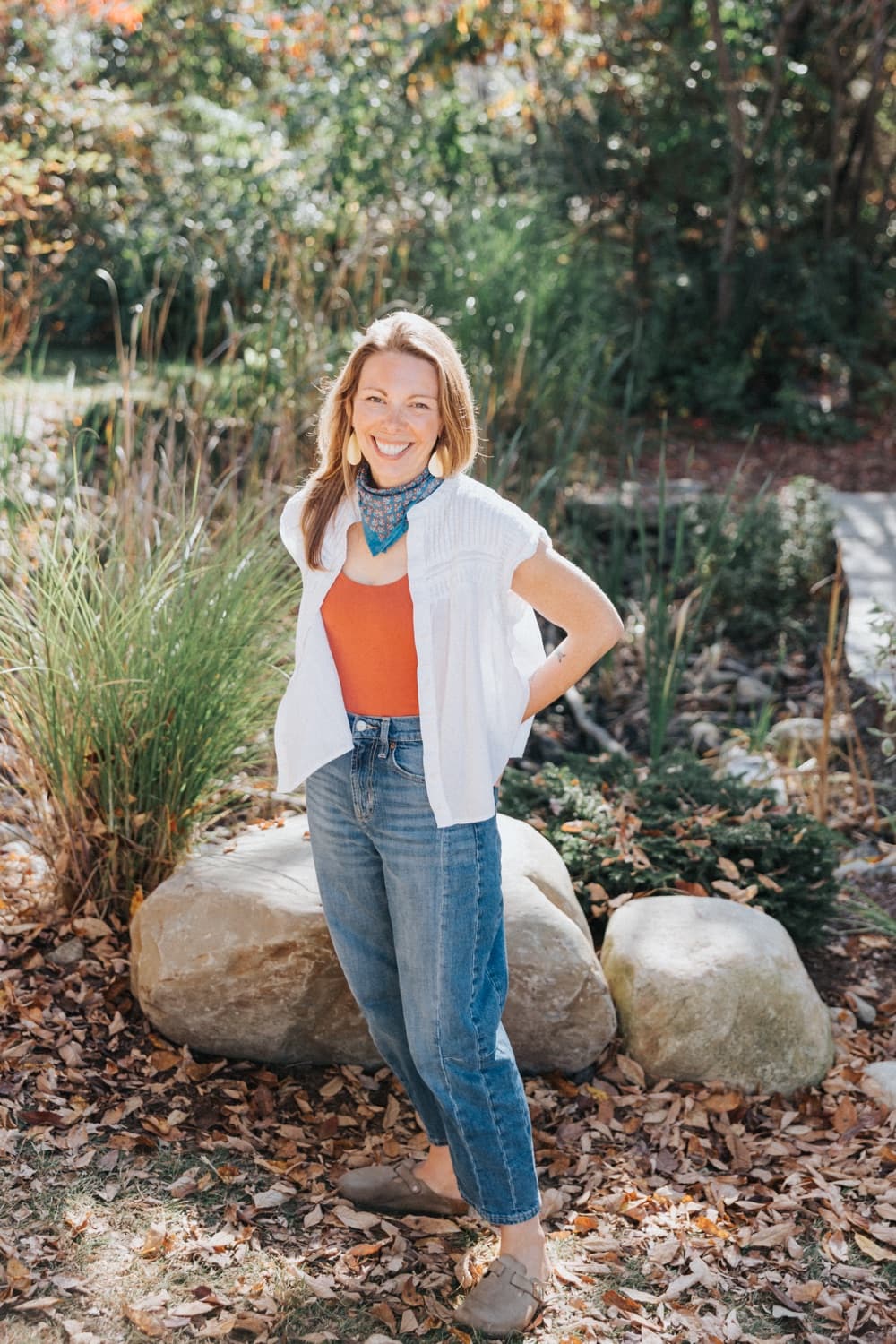
Hi, I'm Hilary
I help children who learn differently — and the families who love them — find their footing. Part teacher, part guide, part someone who has lived it from the inside.
- Dyslexia specialist
- Homeschool consultant
- Parent coach
- Certified special educator
- Neurodivergent myself
If you've found this page, you probably have a child who learns differently, and you've probably been looking for someone who sees that as a strength to build on, not a problem to fix. Maybe reading hasn't come the way you expected. Maybe a school evaluation gave you a label that doesn't quite capture who your child is. Maybe the strategies that work for other children don't work for yours, and you're ready to try something built around the kid you actually have.
That's the work I do. I see kids as capable, creative, and whole. I work with families to build supports that fit each child's particular brain. And I do it from a place of hope, because I have seen, over and over again, that children who are met as themselves grow into themselves.
The rest of this page is about how I got here.
The path here
I have worked with children and families for my entire career, and every chapter has shaped how I do this work today. I started as a preschool teacher. I served as a children's advocate in Alaska. I supported families in Vermont through home-based services. And eventually I became a certified special education teacher in the public school system, where I spent years working alongside dedicated colleagues and learning what it takes to support a wide range of learners.
My years in public schools taught me a lot about systems, about advocacy, about how to communicate with school teams, and about the children who thrive in that environment. While I was teaching in public schools, I earned my Associate Level Orton-Gillingham certification through Children's Dyslexia Centers, an accredited program of the International Dyslexia Association (IDA) and the International Multisensory Structured Language Education Council (IMSLEC), because I wanted the strongest possible tools for the readers in my care. That training, paired with my classroom experience, opened up a way of working that felt right to me — closely individualized, deeply relational, built around each specific child.
When I eventually moved into private practice, it was to do more of that. To go deeper with each child. To spend the time it takes to know a kid before I started teaching them. To work with families as full partners, not as occasional visitors at IEP meetings.
Since then, I've completed Level 1 and Level 2 training through PDA North America and continue toward my master's degree in Special Education. I see schools as collaborators rather than adversaries. My years inside the system make me a useful partner when families are navigating IEPs, 504s, or hard conversations with school teams.
I'm still a teacher. The heart of the practice is just something different now.
How I work with kids
Every child is different, and I treat that as the starting point not a complication. Before I introduce any curriculum or method, I take time to understand each child's individual learning style, academic and cognitive profile, and unique personality. From there, I design lessons that are specific to who they are: how they learn best, what they're interested in, what helps them feel safe, and what kind of pace fits their brain.
The most important thing I do, though, isn't academic. It's relational. My approach is built on a solid relationship of trust with each child, and everything I do is grounded in that. When a child trusts that they're seen, that they won't be shamed, and that the adult in front of them genuinely believes in them, that's when the real learning starts. The reading, the writing, the spelling, the executive functioning, the confidence: all of it grows out of that foundation.
She always meets him where he is, with understanding and compassion.
My son, and homeschooling
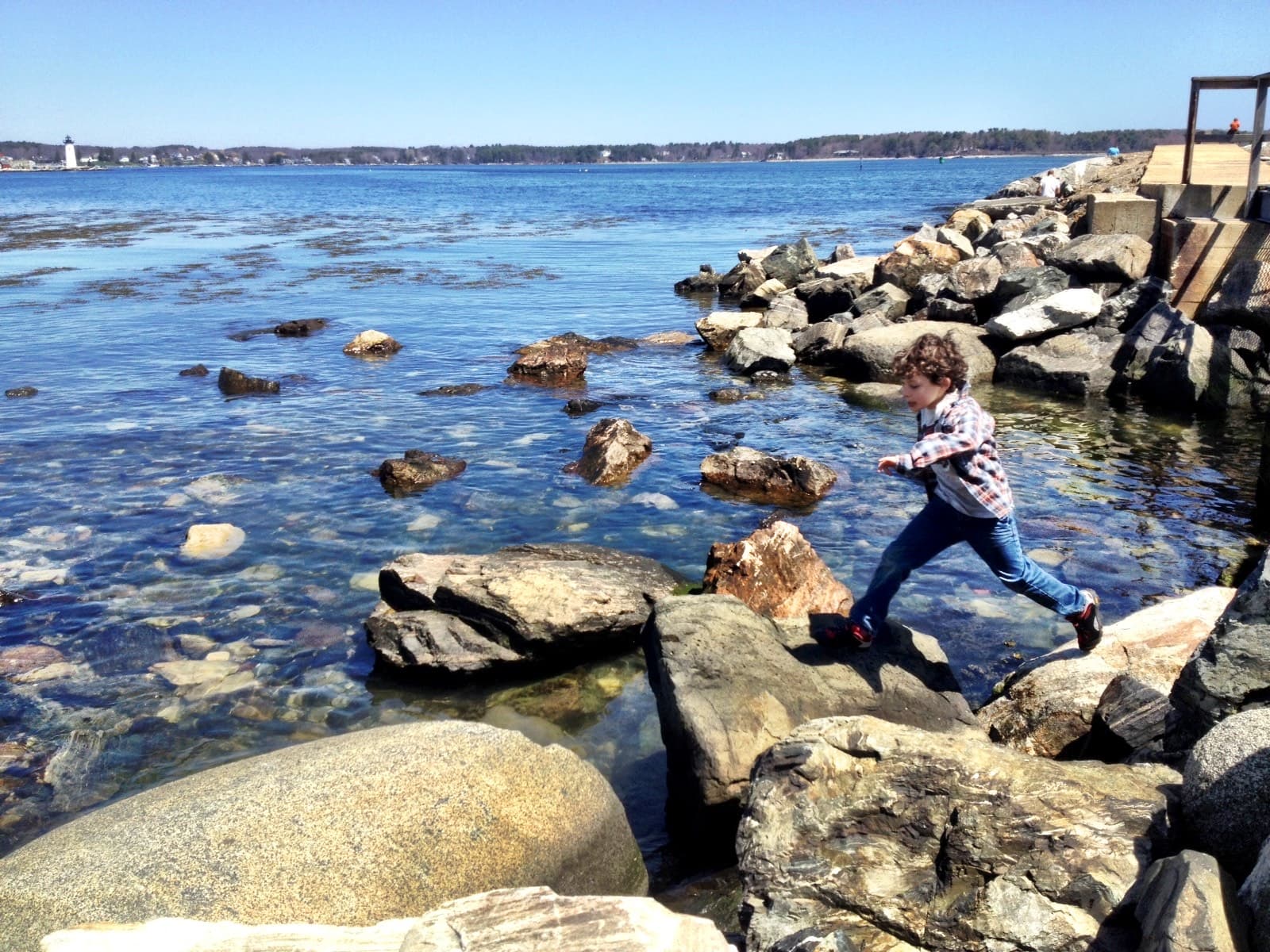
I homeschooled my son through his elementary years. At that stage, the extra attention to interest-led academics, outdoor experiences, and hands-on learning was exactly what he needed. He had time to learn who he was as a person and as a learner before entering the school system. That foundation gave him solid footing and he went on to attend public middle and high school, and he's now in college, set to graduate this year.
Through that experience, I learned something I now bring to every family I support. The goal of any educational choice whether it's homeschool, public, private, or some blend, is to give a child what they need at the stage they're in. There's no single right path. There's just the right next step for this child, in this season, with this family.
When I help families build a home-learning life, I'm helping from inside the experience. I know what it looks like to set aside the “school-at-home” model and let interest-led learning actually breathe. I also know what it looks like when a parent is tired and unsure. Both are normal. Both pass.
My own brain
I'm AuDHD — autistic and ADHD. AuDHD isn't simply two separate diagnoses stacked on top of each other; it's increasingly understood as its own neurotype, with its own particular shape. The autistic and ADHD pieces of my brain interact and inform each other in ways that don't line up neatly with either profile alone. It's something I've come to understand more fully over the last several years, and like a lot of parents of neurodivergent kids, recognizing it in myself has changed how I see my whole life and how I do my work.
What I bring from it isn't a credential. It's an inside view. I know what sensory overload feels like during a phonics lesson. I know what it costs to mask through a school day. I know how a child who looks like they're “being defiant” is often working as hard as they possibly can. I know the kinds of accommodations that get called “giving in” when they're actually nervous-system supports. When I work with a family, I bring that knowledge whether or not I name it in the room and most of the time, I don't need to.
What this all adds up to
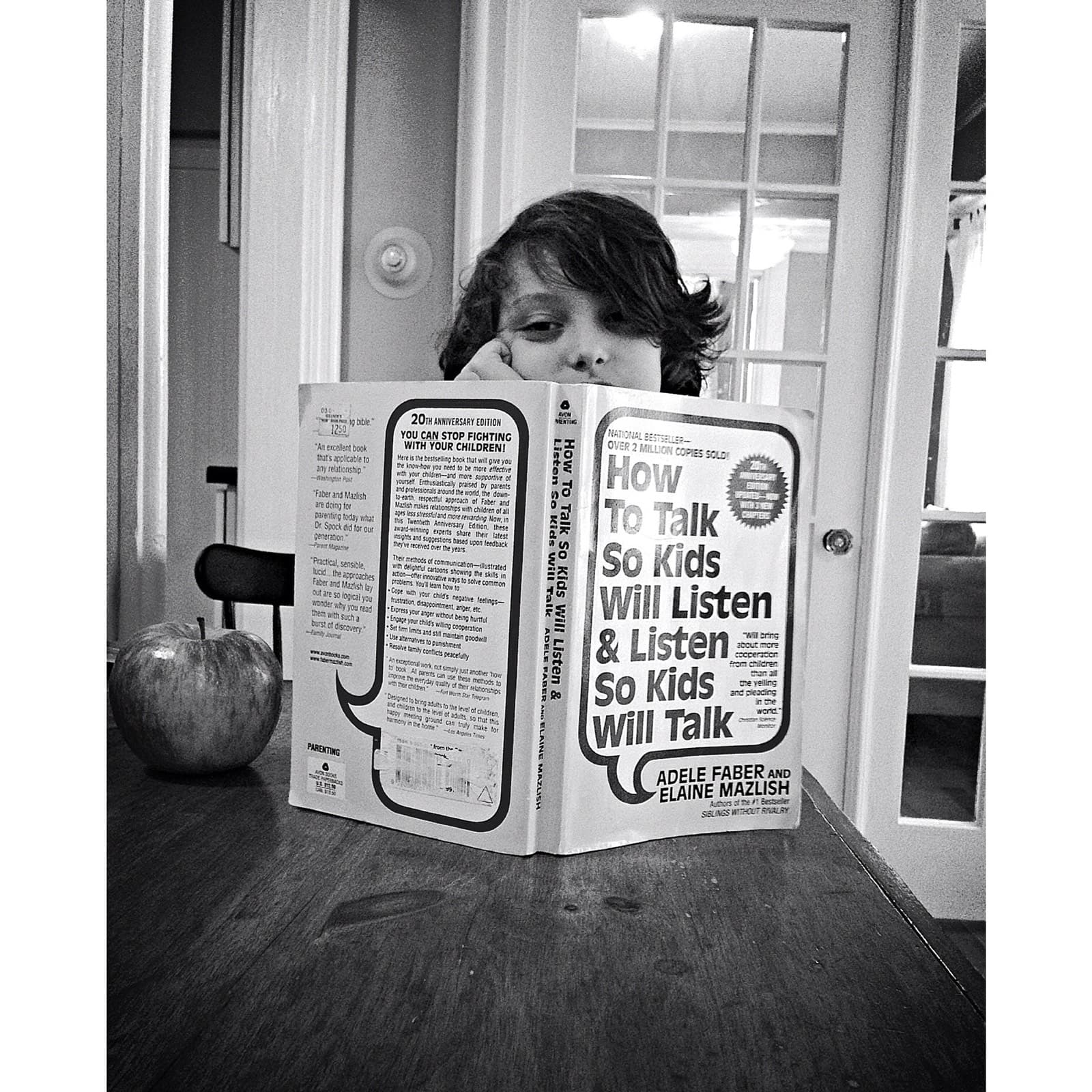
What I've ended up with is a fairly unusual combination of pieces: special education credentials, classroom years, the Orton-Gillingham certification, PDA-informed coaching training, the homeschooling experience, and the lived experience of being a neurodivergent person. The families I work best with often arrive after they've talked to several specialists who only had part of the picture and what they need is someone who can see it whole.
I see kids as capable, creative, and whole. I see parents as the closest thing to experts on their own children. I see learning differences as differences, not deficits. And I see my job as supporting families in a world that can be hard for neurodivergent people to navigate, not fixing or changing anyone, but walking alongside them as they find what works.
Off the clock
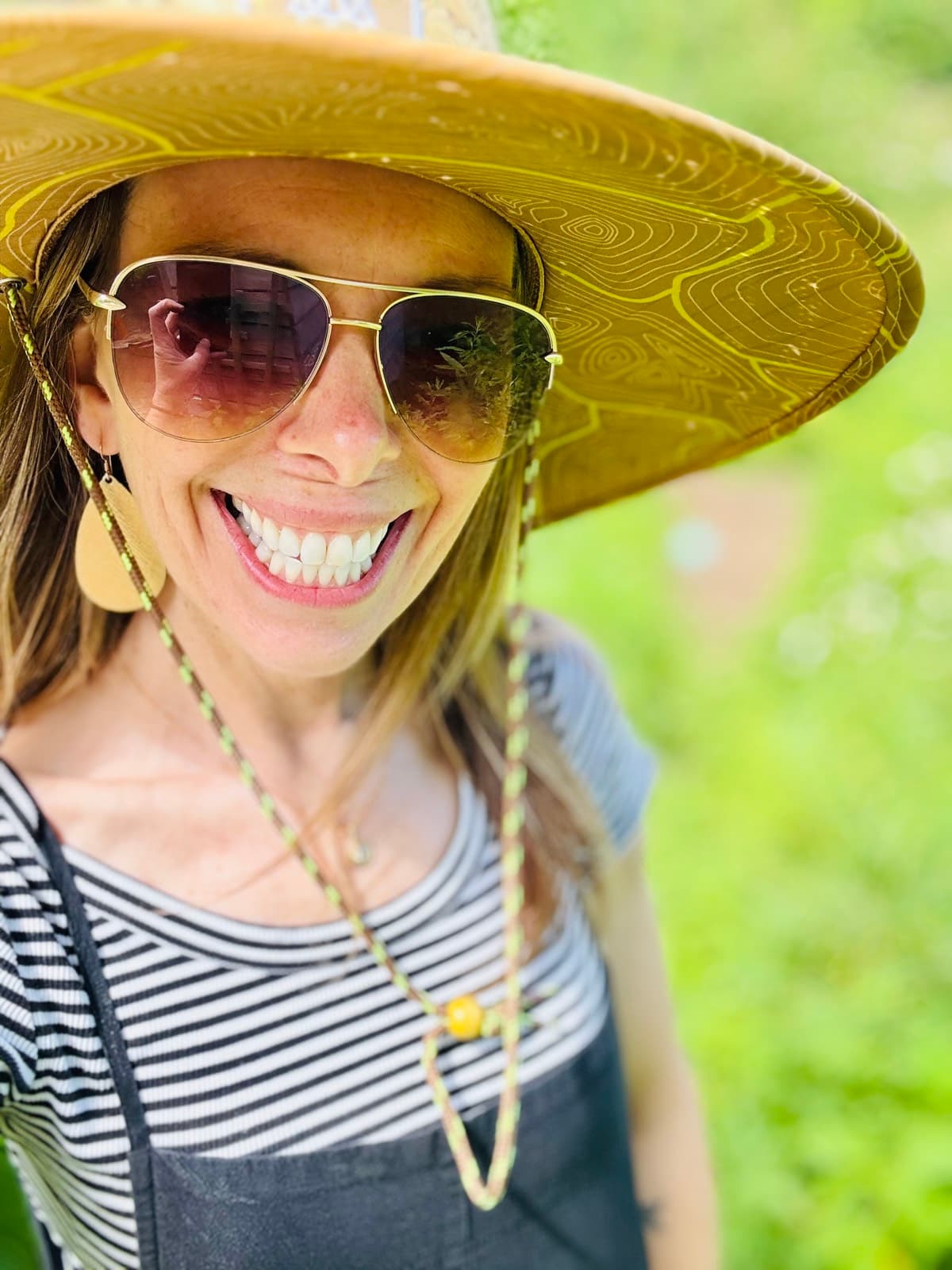
I graduated from the University of Vermont and live in Cape Elizabeth, Maine with my family and our dogs. When I'm not working, I'm usually outside — I hike, I camp, and I'm slowly working my way through some longer-distance hikes I've had my eye on for a while.
I read constantly, both for the work and for myself. I'm regularly attending workshops, classes, and trainings to keep current on the research and the field, and I'm finishing my master's in Special Education. The learning doesn't really stop, and I wouldn't want it to.
If any of this sounds like your family, I'd love to hear from you.
Or explore the ways we can work together